

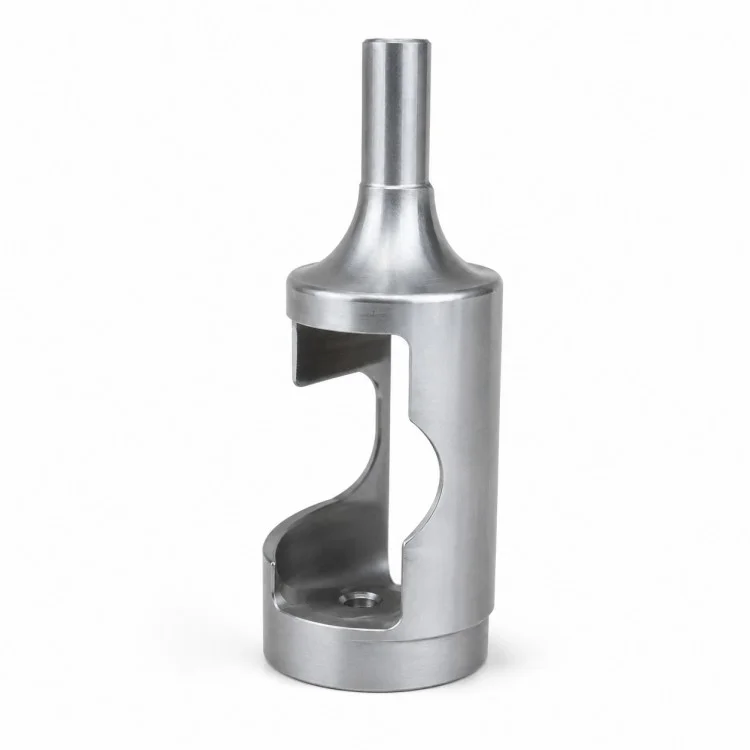
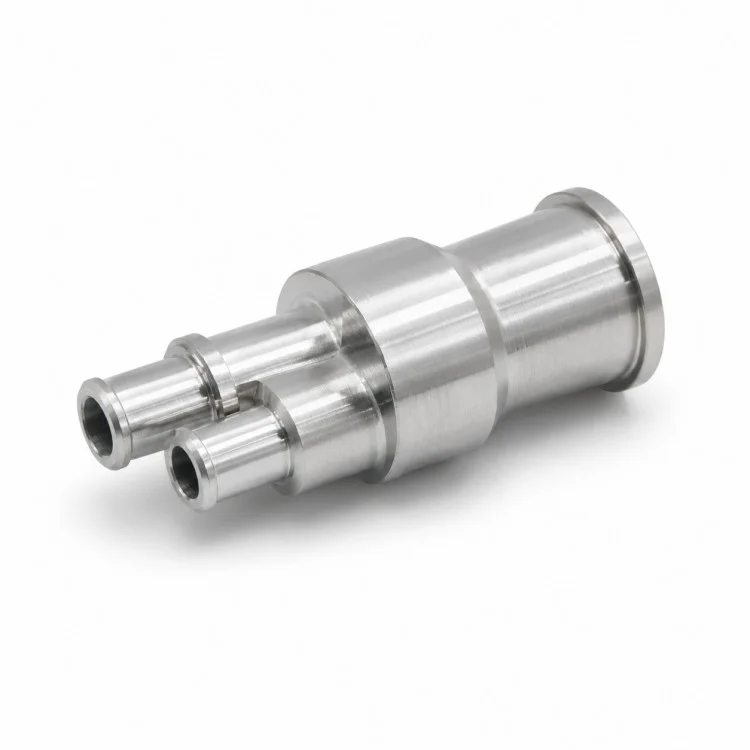
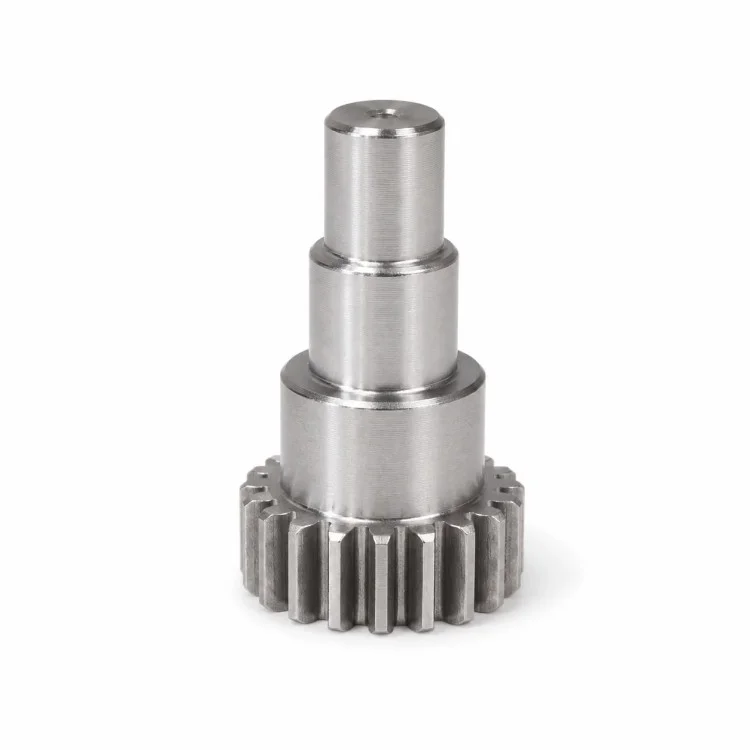
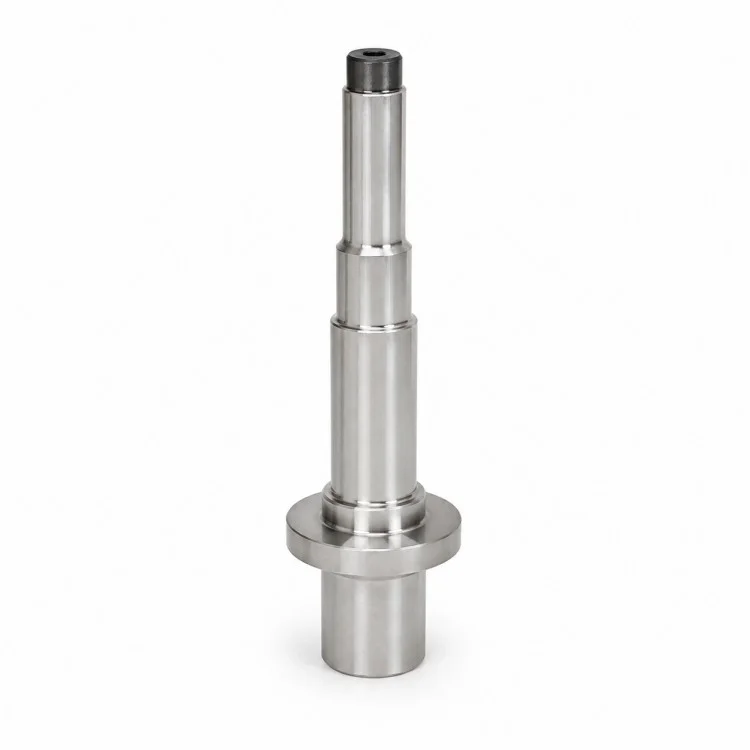
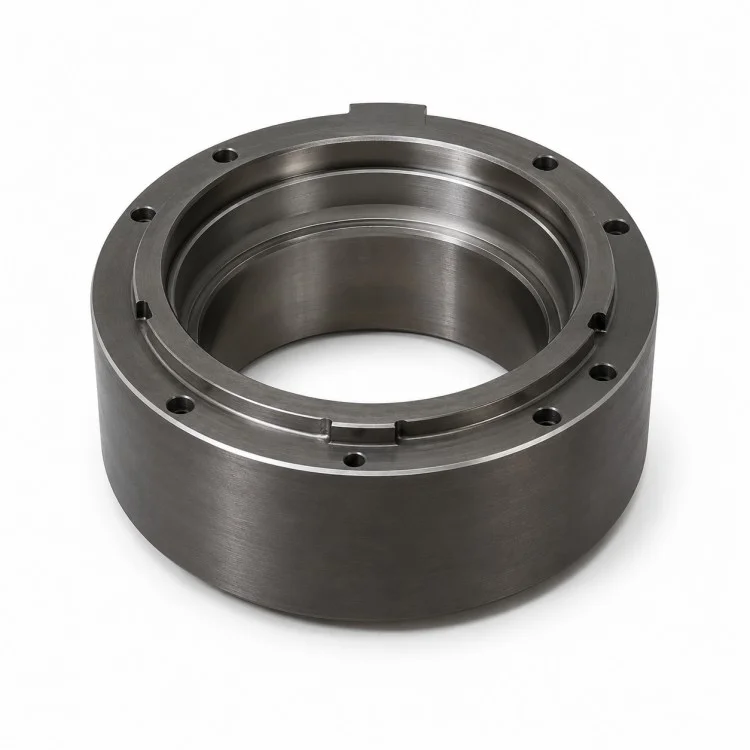
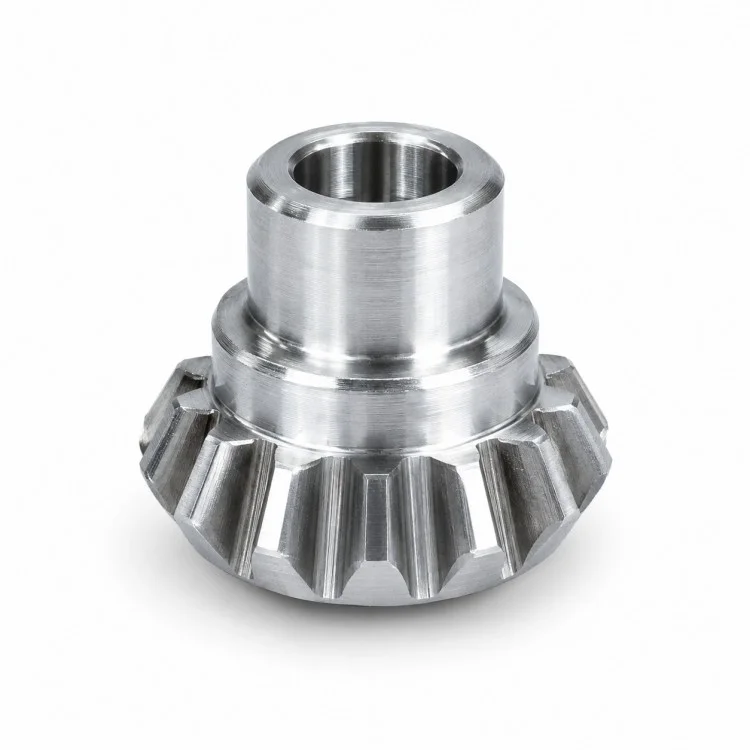
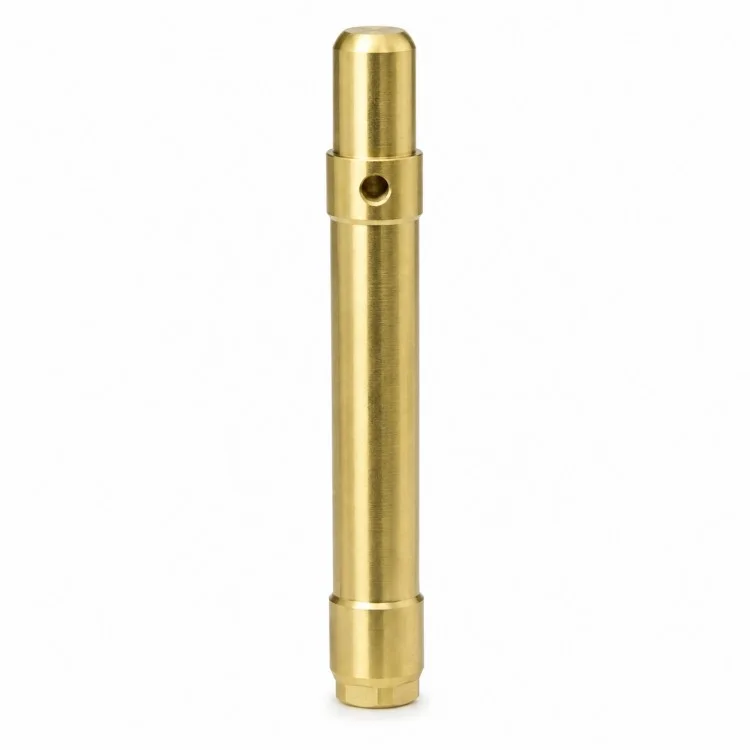

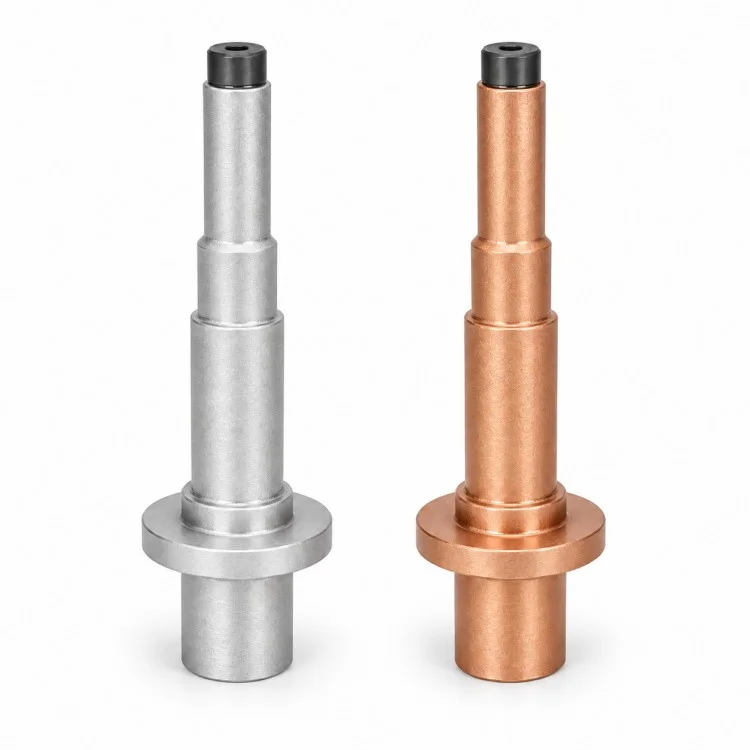
Xiamen Xiangxing Xin Industry and Trade Co., Ltd. provides full-lifecycle support from prototype verification to formal mass production. We deliver stable, high-precision and cost-effective custom shaft solutions for global industrial automation and mechanical equipment manufacturers.
View More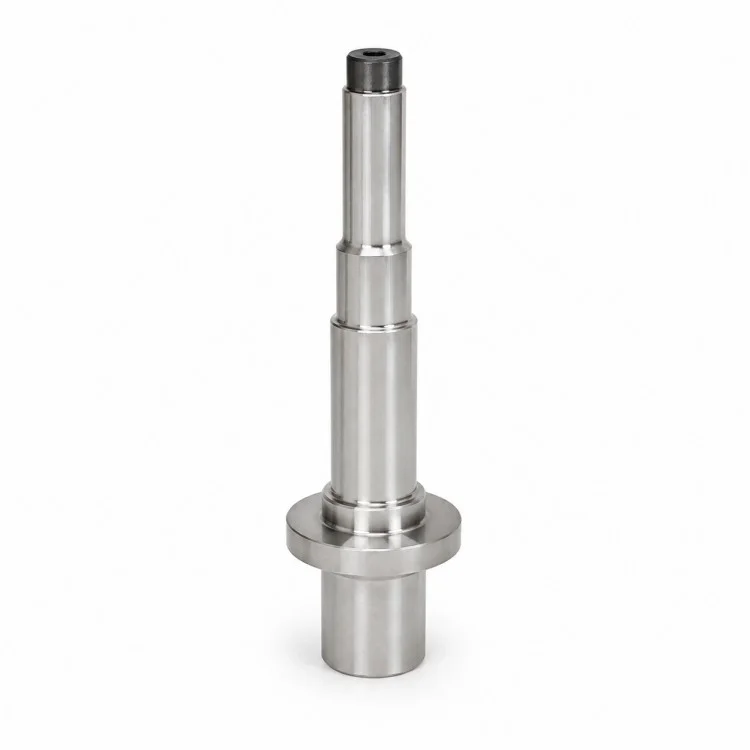
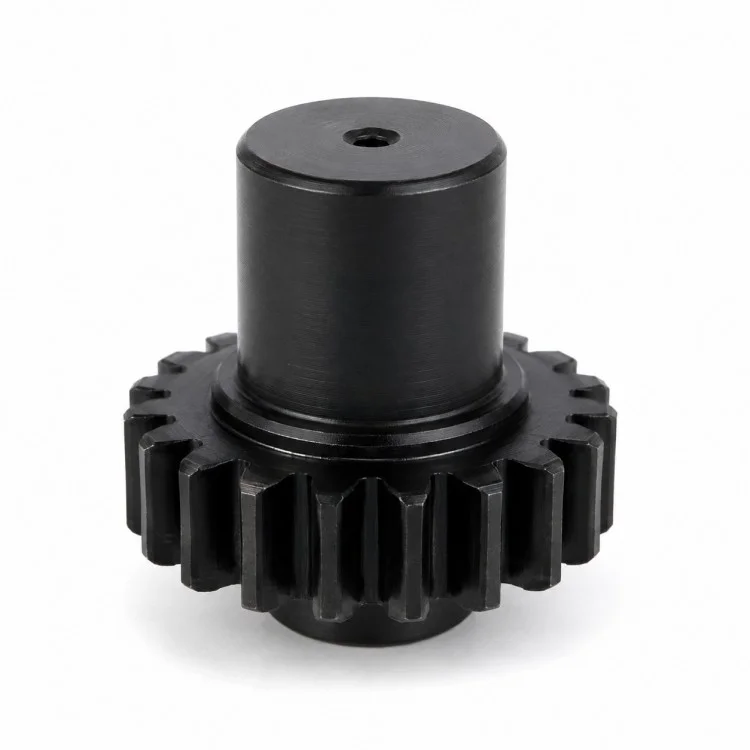
OEM automation machinery frequently suffers from assembly deviation, positioning offset and operational vibration, leading to debugging delays, high rework rates and unstable equipment performance. These issues are mainly caused by standard uniform shafts without precise positioning references and differentiated fit structures. Custom CNC Machined Flanged Stepped Shaft effectively resolve these issues by minimizing assembly errors and improving equipment consistency. Xiamen Xiangxing Xin Industry and Trade Co., Ltd. specializes in customPrecision CNC Machined Flanged Stepped Shaft tailored for OEM automation machinery, delivering high-precision, error-proof shaft solutions for global manufacturers.
View More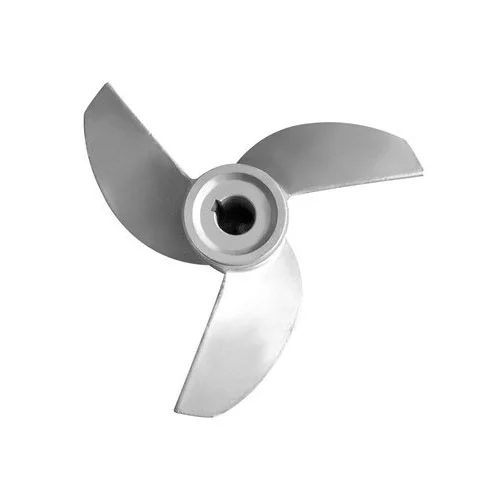
Mixer blades casting is a crucial manufacturing process used to produce durable and high-performance blades for various industrial mixers. This technique is employed to improve the efficiency, strength, and longevity of mixer blades in different applications, including food processing, chemical mixing, and construction.
View More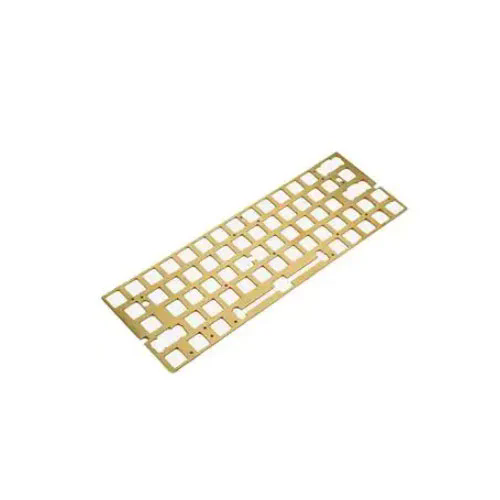
Copper keyboard machining has emerged as a specialized manufacturing segment within the mechanical keyboard industry, driven by demand for premium materials, precision engineering, and enhanced tactile experiences. This article provides a comprehensive examination of copper keyboard machining, focusing on process methodologies, technical parameters, material characteristics, manufacturing challenges, and long-term development directions. By exploring how copper is transformed into high-precision keyboard components, the article clarifies why this machining discipline has gained sustained attention among keyboard designers, OEM manufacturers, and customization-focused markets.
View More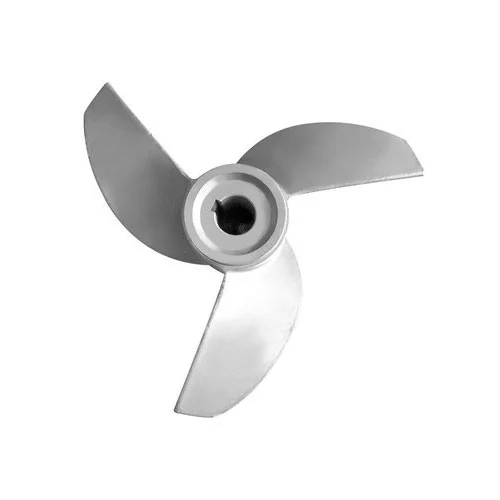
In modern manufacturing, the efficiency of mixing processes directly impacts product quality and production costs. One of the most critical components in achieving this efficiency is the Mixer Blades Casting. These precision-engineered parts ensure that materials are mixed uniformly, effectively, and safely across a range of industries—from food and chemicals to construction and metallurgy. As someone who has worked with various industrial mixers, I've often asked myself: Why are mixer blades so crucial? The answer lies in their material composition, design, and casting technology.
View More
Copper sheet stamping is a precision-driven metalworking process where flat copper sheets are pressed into customized shapes using high-tonnage stamping machines and specialized dies. This method allows manufacturers to achieve exact dimensions, tight tolerances, and consistent quality across large production volumes.
View More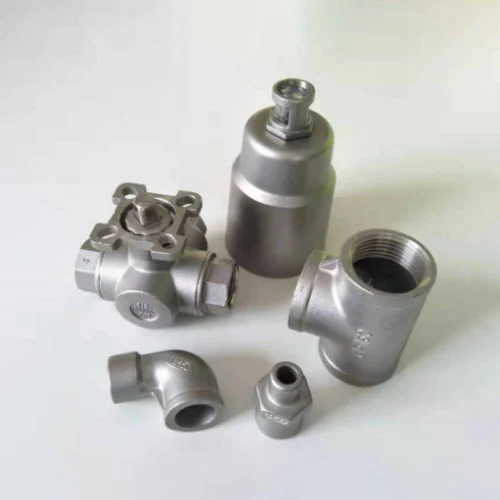
In the field of pipeline engineering, traditional pipe fittings are often frequently replaced due to insufficient material strength, low casting accuracy or poor corrosion resistance, which increases operation and maintenance costs.
View More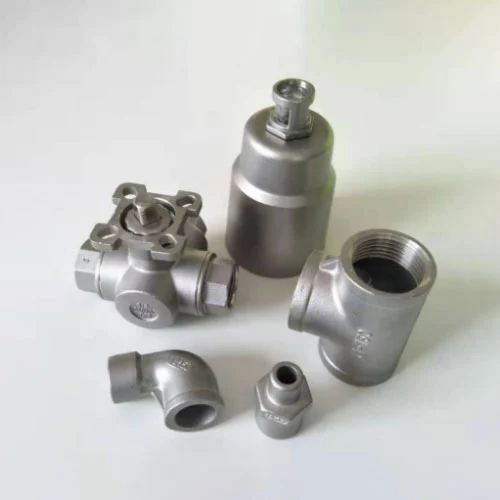
In the world of industrial piping solutions, Xiamen Xiangxingxin Industry and Trade Co., Ltd. stands out as a trusted manufacturer of high-quality Metal Ductile Tee Casting components. But what makes their products a top choice for engineers and contractors?
View More
With the rapid development of the manufacturing industry, aluminum alloy, as a lightweight and high-strength metal material, is increasingly widely used.
View More
Die casting is a manufacturing process in which molten metal is poured into a mold, allowed to solidify, and then extracted from the mold.
View More
The advantages of sheet metal stamping include cost efficiency, high production volume capability, speed of operation, and a wide range of material options. Stamping also allows for consistent quality and accuracy in the creation of identical parts.
View More