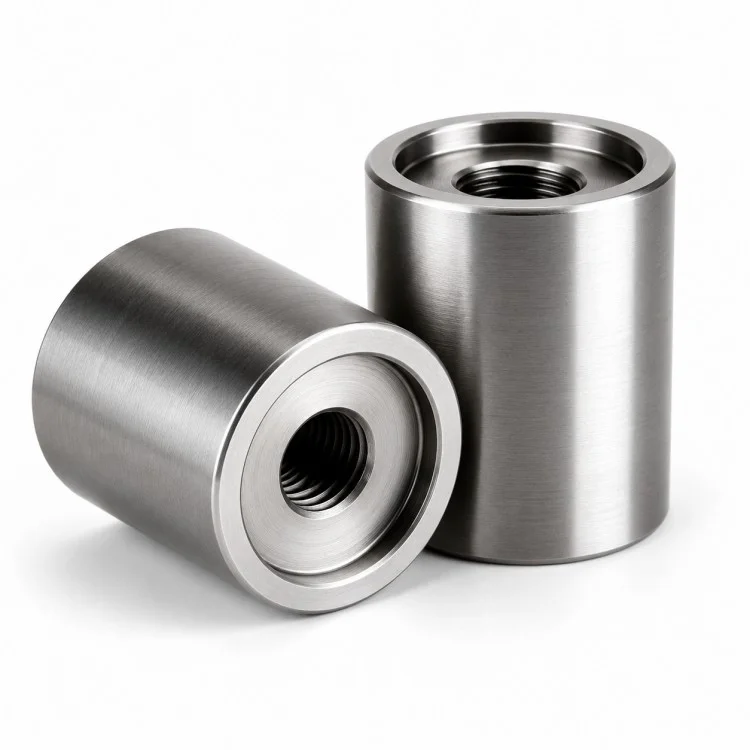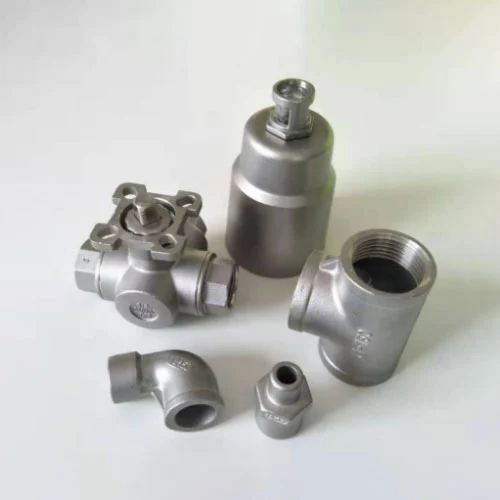
Copper keyboard machining has emerged as a specialized manufacturing segment within the mechanical keyboard industry, driven by demand for premium materials, precision engineering, and enhanced tactile experiences. This article provides a comprehensive examination of copper keyboard machining, focusing on process methodologies, technical parameters, material characteristics, manufacturing challenges, and long-term development directions. By exploring how copper is transformed into high-precision keyboard components, the article clarifies why this machining discipline has gained sustained attention among keyboard designers, OEM manufacturers, and customization-focused markets.
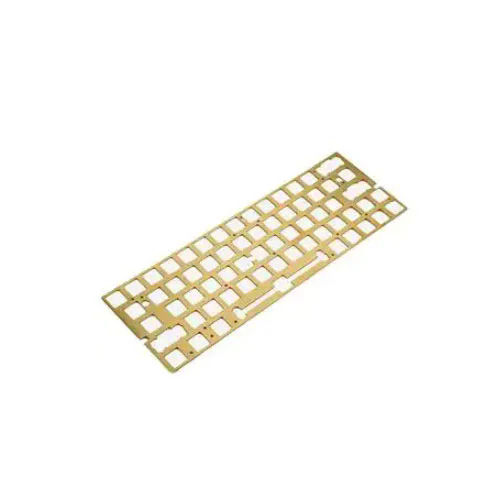
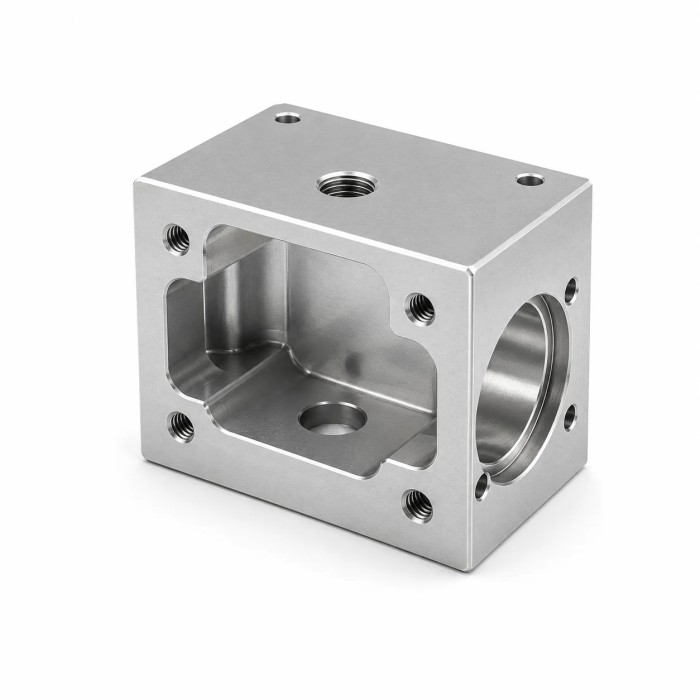
Copper keyboard machining refers to the precision manufacturing process used to produce keyboard housings, plates, weights, and structural components from copper or copper alloys. Unlike plastic injection molding or aluminum extrusion, copper machining relies primarily on CNC milling, turning, and surface finishing to achieve dimensional accuracy and refined aesthetics.
The use of copper in keyboard manufacturing is rooted in its physical characteristics, including high density, excellent thermal conductivity, and stable mechanical behavior under controlled machining conditions. These attributes allow copper keyboard components to deliver structural mass, acoustic consistency, and long-term dimensional stability when processed correctly.
From an industry perspective, copper keyboard machining is typically applied to mid-to-high-end mechanical keyboards, limited production runs, and custom projects that prioritize material integrity and precision tolerances. The machining approach ensures that each component meets exact design specifications without compromising structural consistency.
Copper keyboard machining follows a structured production workflow designed to manage material softness, heat generation, and surface integrity. The process begins with raw copper billets or plates, selected based on alloy composition and intended application.
CNC machining remains the dominant method due to its ability to maintain tight tolerances and repeatable accuracy. During milling operations, cutting parameters are optimized to minimize tool wear and prevent surface deformation, which can occur due to copper’s relatively low hardness.
Post-machining processes play a critical role in achieving final component quality. These steps may include deburring, polishing, brushing, oxidation control, and protective coating application. Each finishing stage is selected based on functional and aesthetic requirements rather than decorative trends.
The performance and consistency of copper keyboard machining are governed by clearly defined technical parameters. These parameters ensure compatibility with keyboard assemblies, PCB alignment, and long-term structural stability.
| Parameter | Specification Range | Technical Purpose |
|---|---|---|
| Material Grade | C1100 / C1020 / Copper Alloy | Ensures machinability and conductivity balance |
| Machining Tolerance | ±0.01 mm to ±0.03 mm | Maintains PCB and switch alignment accuracy |
| Surface Roughness | Ra 0.8–1.6 μm | Controls tactile and visual consistency |
| Wall Thickness | 3.0–8.0 mm | Balances structural mass and machining stability |
| Weight Control | ±2% | Ensures assembly balance and handling consistency |
These parameters are established during design validation and remain consistent throughout batch production to ensure functional interchangeability across units.
How does copper keyboard machining differ from aluminum keyboard machining?
Copper keyboard machining requires lower cutting speeds and refined cooling strategies due to copper’s softness and heat conductivity. This reduces surface tearing and ensures dimensional accuracy during extended machining cycles.
How is oxidation managed in copper keyboard components?
Oxidation is controlled through surface treatments such as clear coating, electroplating, or controlled patina processes. These methods stabilize surface appearance while preserving structural integrity.
How is dimensional stability ensured during copper CNC machining?
Dimensional stability is maintained by staged machining, controlled tool paths, and intermediate stress relief processes. This approach minimizes warping and tolerance deviation in complex keyboard housings.
As mechanical keyboard design evolves, copper keyboard machining continues to align with industry requirements for precision, repeatability, and material authenticity. Manufacturers increasingly emphasize engineering consistency rather than aesthetic novelty, reinforcing the role of controlled machining processes.
From a production standpoint, copper machining supports small-batch customization and scalable manufacturing without compromising accuracy. This adaptability makes it suitable for OEM partnerships, prototype development, and specialized product lines.
Looking forward, copper keyboard machining is expected to integrate more advanced CNC programming, automated inspection systems, and environmentally controlled finishing processes. These developments will further standardize quality while reducing material waste and production variance.
Within this manufacturing landscape, Xiamen Xiangxingxin Industry and Trade Co., Ltd. continues to support precision copper keyboard machining through stable production capacity, process optimization, and application-focused engineering support. By aligning machining expertise with evolving keyboard design requirements, the company contributes to consistent manufacturing outcomes across diverse project scopes.
For further information on copper keyboard machining specifications, production capabilities, or customization options, interested parties are encouraged to contact us to discuss technical requirements and project objectives in detail.